BrainRot Revolution: Cultivating Internet publics through Speculation, Culture Jamming and Play
Brett Gaylor, 2026. PhD Thesis
Supervisor: Dr. Kate Hennessy
Committee Member: Dr. Ron Wakkary
Committee Member: Dr. Wendy C. K. Chun
Examiner: Dr. Gillian Russell
External Examiner: Dr. Sandra Gaudenzi (UCL)
Abstract
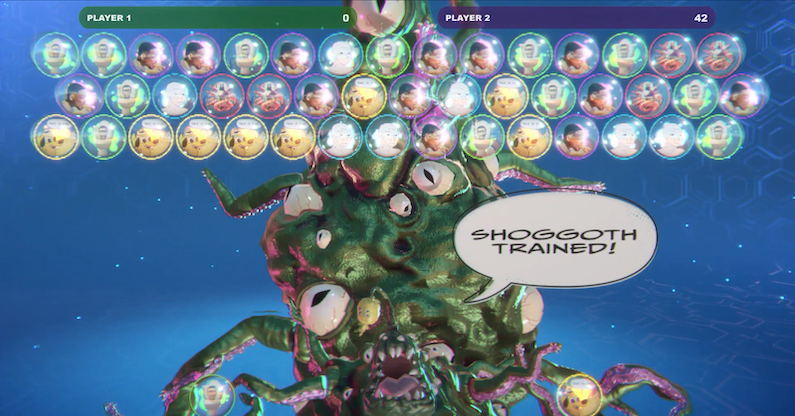
This dissertation explores how interactive documentary can be used to cultivate critically literate digital publics. Drawing from over two decades of practice-based media production, I use research-creation to investigate how approaches rooted in speculation, culture jamming and play can help audiences understand and reimagine the social, ethical, and political implications of networked technologies. At the centre of my dissertation are three case studies of interactive documentaries: Welcome to the Metaverse, The Education of Ursula, and BrainRot Revolution. These experiences invite reflection on how power circulates through data, platforms, and design, while embracing the joy of imagining preferable futures. I build playful, participatory experiences that ask: How can we build the capacities for publics to imagine the Internet otherwise?
These questions are grounded in a broad theoretical foundation that includes publics theory, interactive documentary, culture jamming, science and technology studies, futures literacy, speculative design and persuasive games. Methodologically, I use production as a mode of inquiry: prototyping playable systems and documenting the knowledge generated through artistic practice. This creative research sits alongside a reflexive analysis of that process through writing, interviews, and multimedia dissemination. Ultimately, I am interested in how media makers can shape the digital environments in which contemporary publics form, and how interactive documentaries might make space for critique, imagination and play.
In addition to the three interactive documentaries that form this dissertation’s case studies, this research proposes additions to interactive documentary's taxonomy of modes: the speculative and the ludic. It offers the theorization of context jamming as culture jamming's response to algorithmically personalized address, the naming of three bad habituses that research-creation practitioners must attend to when making work with generative AI tools, and five guideposts offered for other practitioners wishing to create works that critique the Internet using the technologies that construct it.
Keywords: (coming soon)
Thesis available soon
Visit Project:
Brain Rot Revolution (MCL Project)
https://brainrotrevolution.org/index.html